









Carnaval Samba Parade in Rio
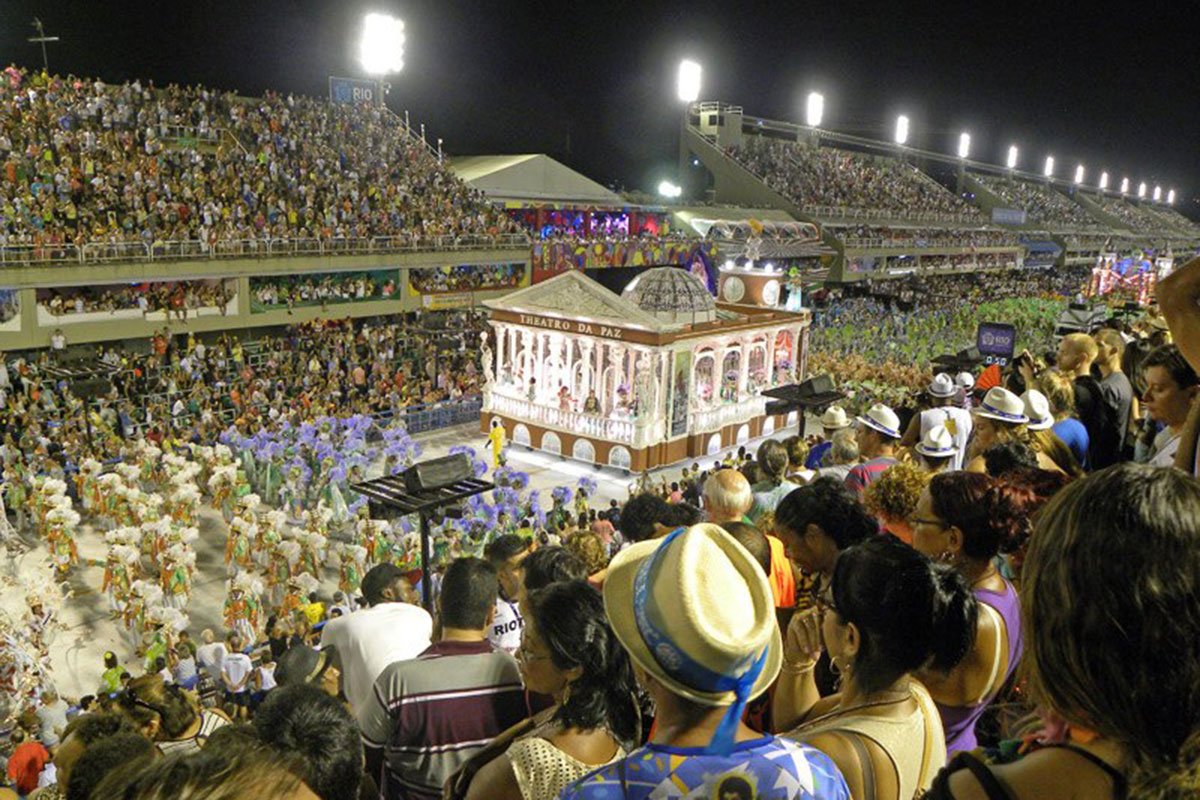
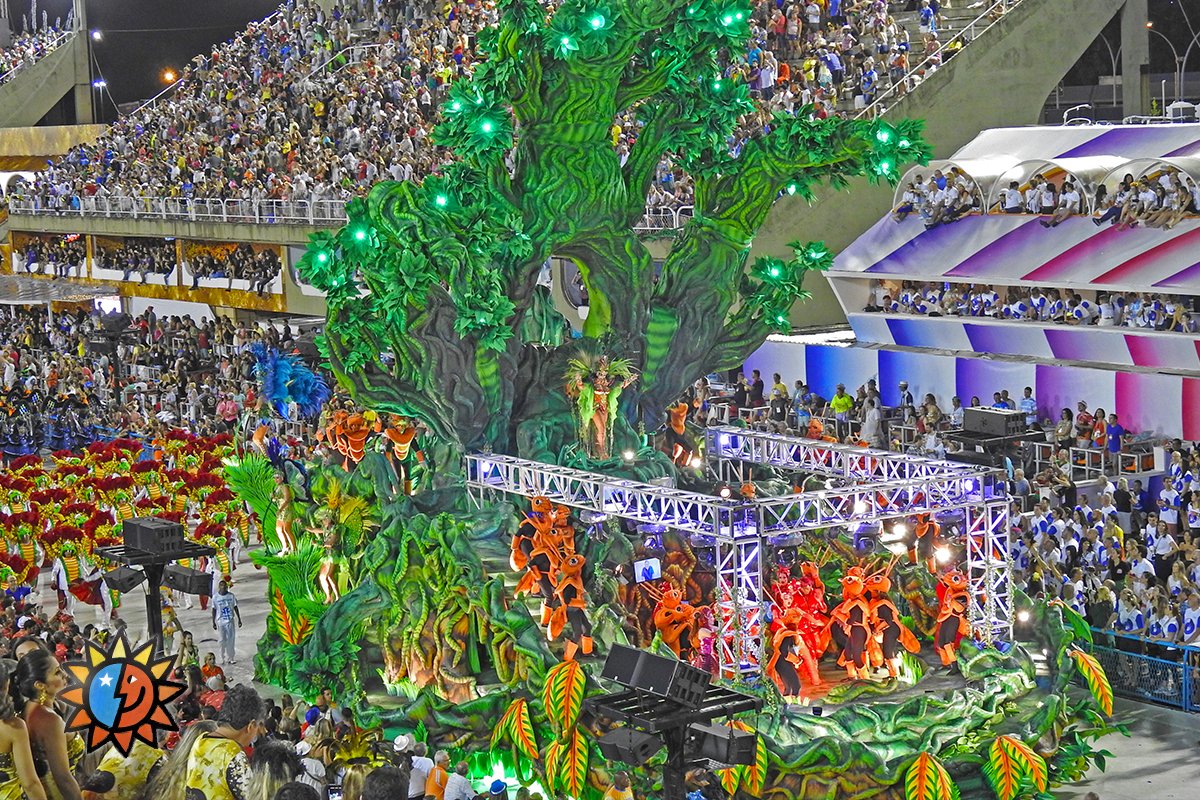
Everyone must experience the Carnaval Samba Parade at the Sambódromo in Rio at least once in life. Think of each night as a tropical opera with four acts and thousands of performers. The event is broadcast live to several countries and all Brazilian states. Watching on TV is cool, but not half as much fun as being there. Mingle with the crowd, sweat, and consider marching with a samba school.
The Parade featuring special group samba schools (the biggies) happens on Carnaval Sunday, Monday, and Tuesday. There's an admittance charge to gain access to the Sambódromo. You have a choice of bleacher seats (arquibancada), catered boxes (camarotes), and ground-level boxes (frisas).
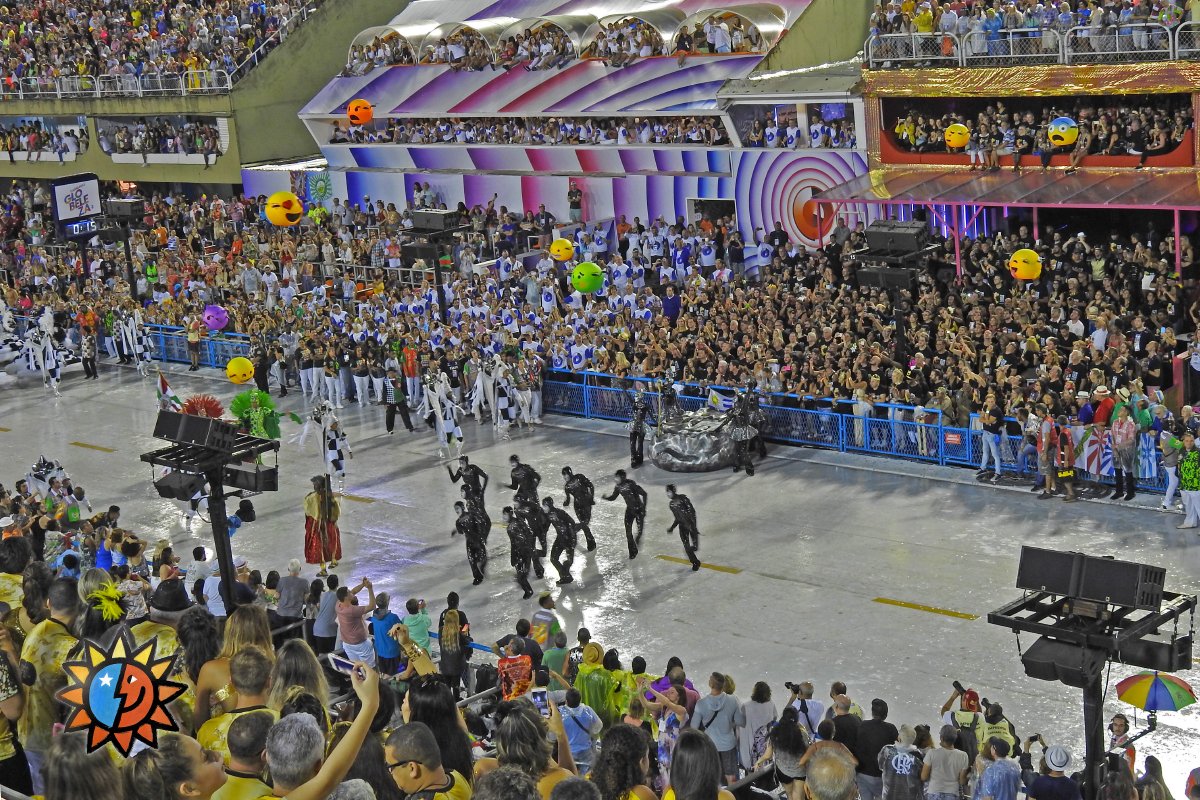
The face value of tickets is not that high. They are offered online a few months ahead and sell out fast. Always compare inflated prices charged by scalpers to the actual price to figure the "service tax." Tickets may include benefits like transportation or a catered buffet and drinks in a box (more about prices and location at Meet the Sambódromo).

What is a Samba School?
In case you are getting mixed up, Samba Schools are not teaching institutions in the traditional sense. A Samba School is an association of people, usually from the same neighborhood, who get together regularly for samba nights and rehearsals (ensaios) at their samba court (quadra).
It is usually a working-class community or favela located in a suburban area. Samba schools provide invaluable jobs to the community. The production of floats and costumes is big business. It is partly subsidized by the State and partly financed by private enterprises that sponsor the Parade.

Each year, samba schools choose a different theme. The year 2000 was an exception, when all celebrated Brazil's 500th anniversary. Samba schools are even allowed to re-edit favorite Carnival themes from the past. The official theme is chosen in a competition within each school.
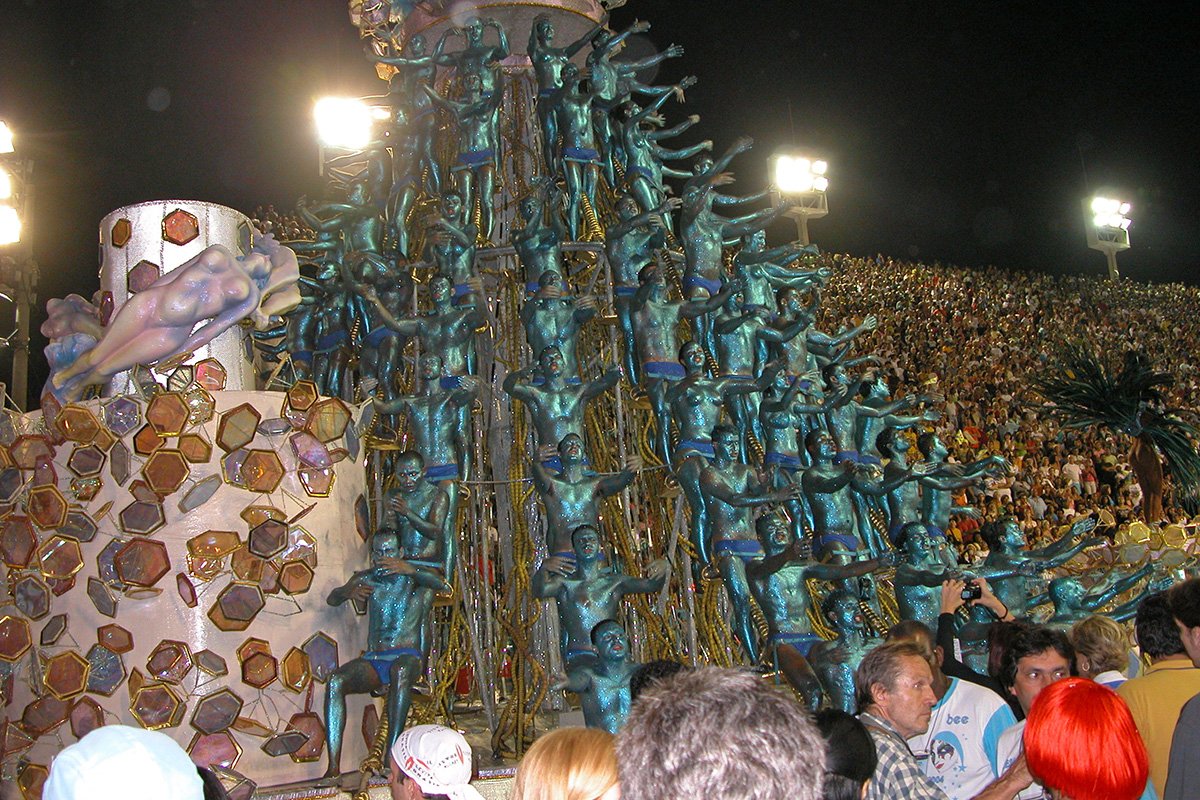
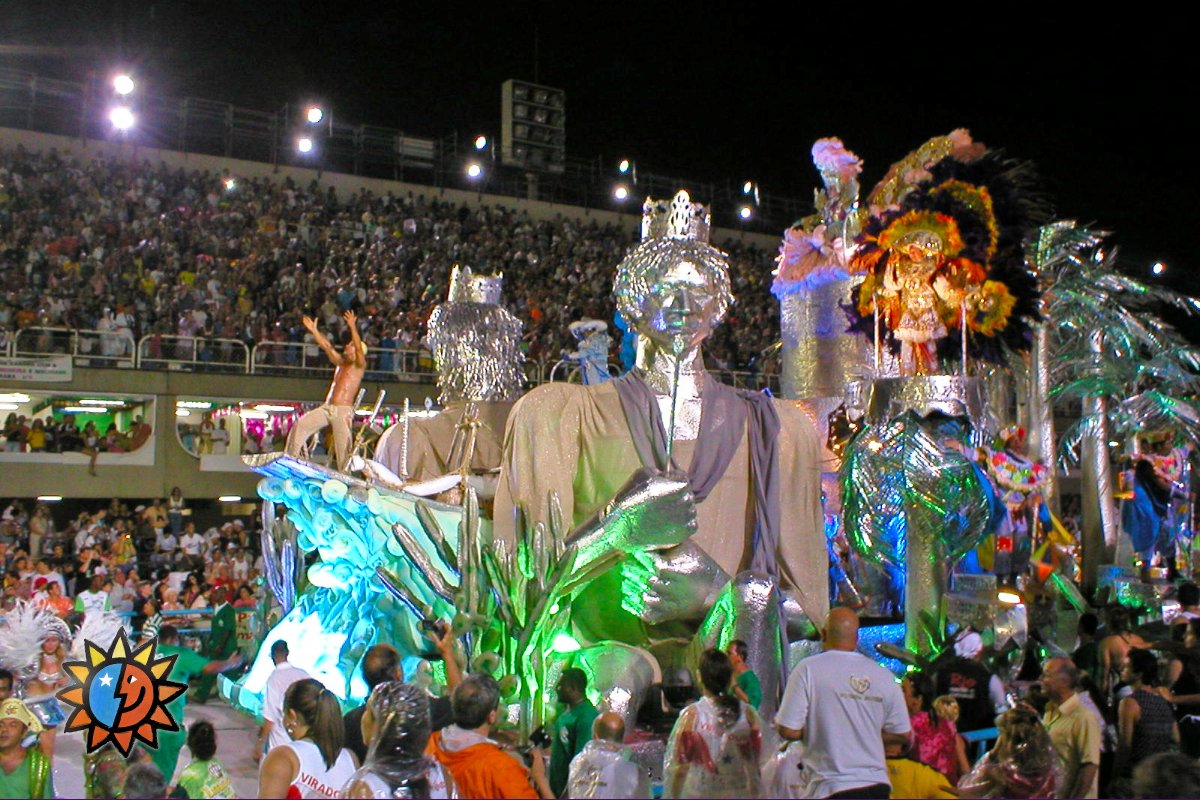
Samba Schools may take 3,000 to 5,000 members to the parade and 6 to 8 floats. They try to illustrate and give life to the theme chosen. All costumes and floats are original and made from scratch. Cidade do Samba is where special leaguers have warehouses. If it's not Carnaval season, you're welcome to visit.

Be the Judge - it's a Competition!
A Samba School has 60 to 75 minutes to get through the runway. This means that each member will spend in the Sambódromo only about 25-30 minutes tops. The experience is so intense, though, that the memories of the thrill last a lifetime.

A jury of experts chosen by LIESA, the League of Special Group Samba Schools, evaluates several aspects. Judges are strategically stationed in odd and even sectors to ensure the schools do their best throughout. This means that all components of the school have to perform and interact with the audience to make a good impression.
Of course, all Cariocas consider themselves experts when it comes to judging a samba school. Many keep a personal score to compare - and inevitably disagree - with the result.
Being impartial is not very easy, though. Cariocas support their favorite school just like they support their soccer team - with a lot of passion. The six schools that score best earn the coveted honor of marching again. The Champions' Parade happens on the following Saturday. The winner of the Golden Group is invited to participate!
Samba School by Parts
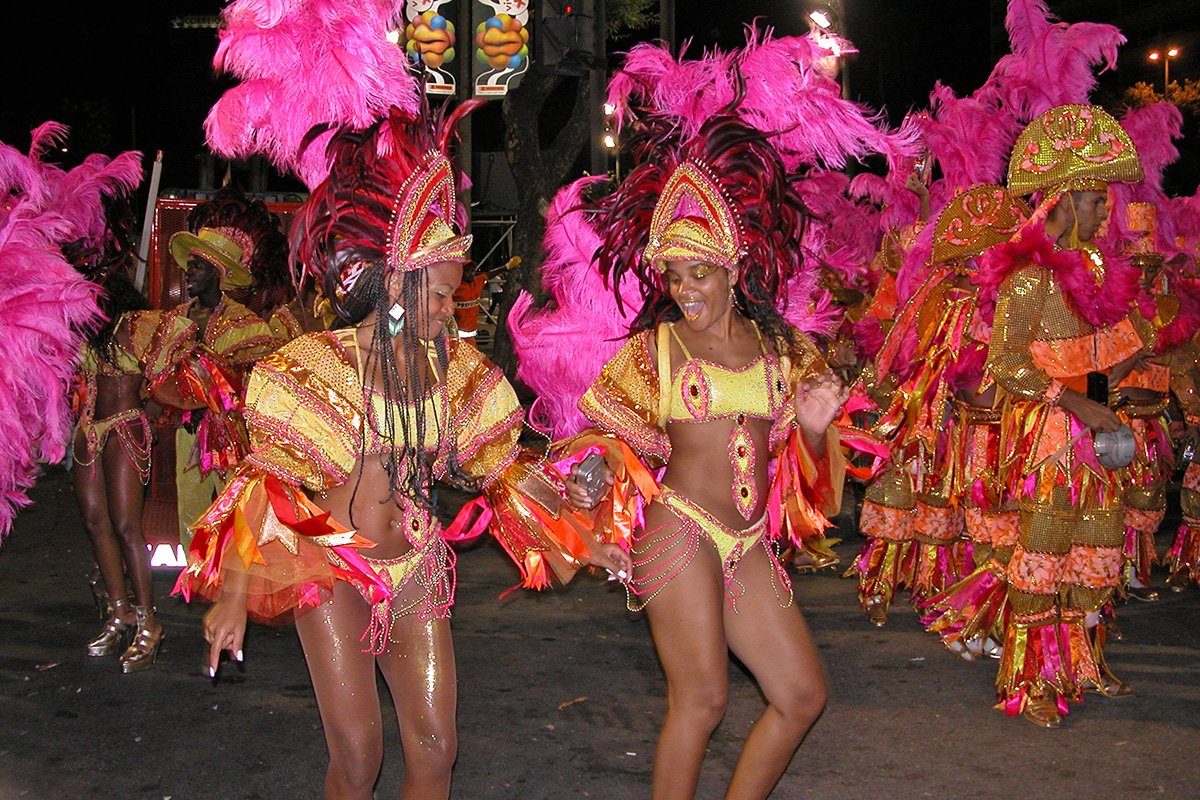
Samba Schools are divided into alas (wings or sections), with people wearing the same costumes. To simplify, let's refer to anyone participating in the Parade as a component. The number of components in each ala and float varies according to the plans of the school designer (carnavalesco).

Components all share the same obligation: to perform during the whole Parade and interact with the audience. They must know the school theme by heart and sing along. Some of the alas have special choreographies, and one must learn and deliver them while on the samba runway.
The results depend on a collective effort. Nothing escapes the cameras as the Parade is seen and taped from all angles. The components of a float get even more visibility. In addition to performing, they have to be oblivious to the heights - some floats are enormous!
Samba schools place supervisors at the Concentration and within the samba runway (passarela) to make sure everything runs smoothly. They may speed up or slow down a group, and they keep an eye on people who are misbehaving. Components may take photos at the Concentration and dispersion areas, but not while you are performing.

Who's Who in the Parade
- Abre-Alas is the first group to open each samba school's parade. They set the mood and introduce the theme.
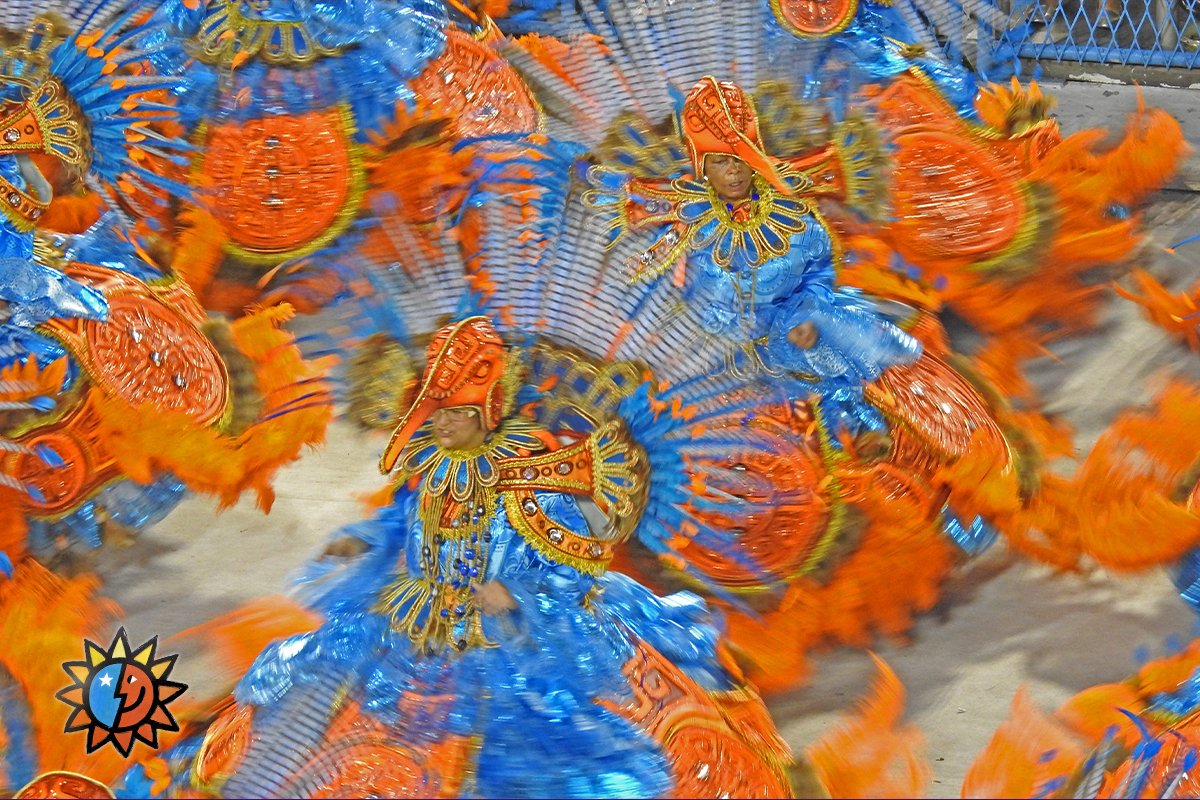
- Ala das Baianas is one of the few mandatory groups. It is composed of ladies dressed in colonial-style skirts, and their choreography includes spinning.
- Porta-Bandeiras and Mestre-Sala are the couple flying the samba school banner. They greet the audience, and the gentleman does very elaborate steps to draw attention to the lady.
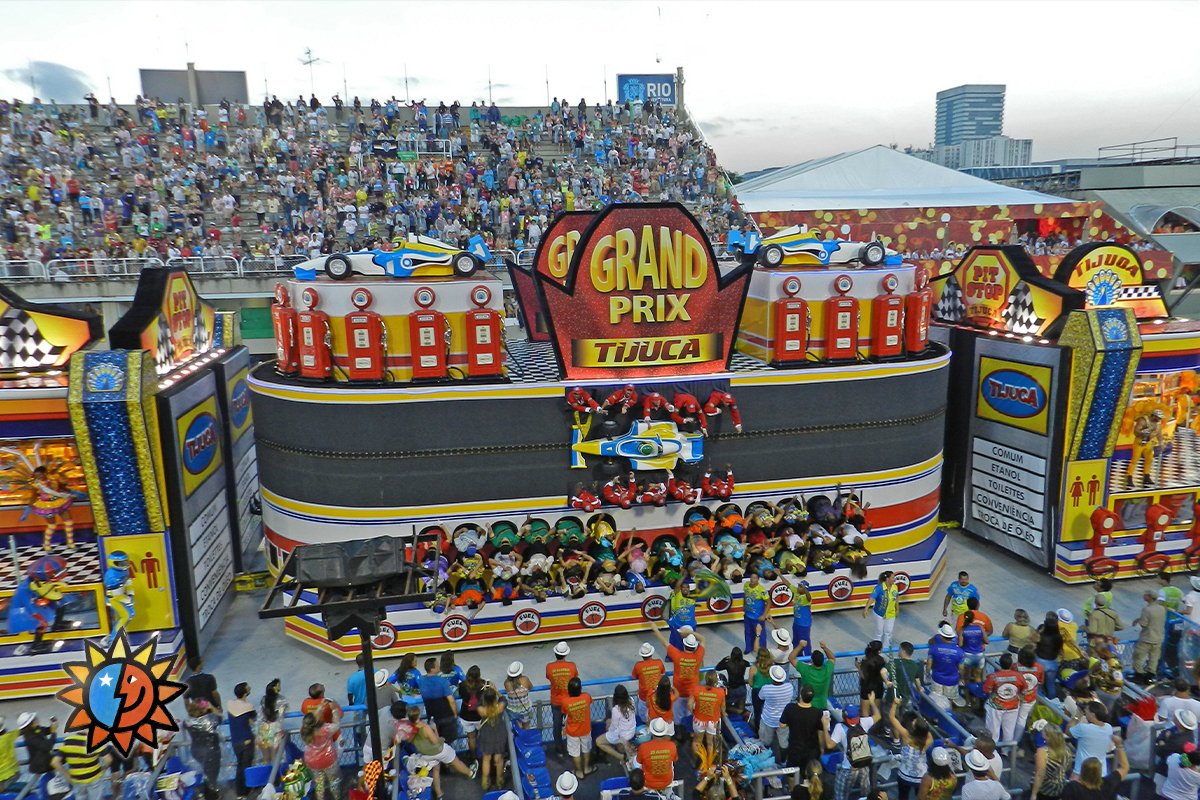
- Carros Alegóricosare floats, and they come in all sizes. The people who populate them may perform special choreography or stunts
- Destaques are the most prominent members of each float. Their costumes are incredibly luxurious, and they are placed high.
- Velha Guardais a more mature group with close-knit links to the Samba School. They are very elegantly clad.
- Bateria is the percussion band that sets the beat of each Samba School's parade. The musicians are very dedicated and participate in rehearsals.
- Puxadoresare vocalists who sing the theme of the samba school live, in perfect integration with the bateria. Many of them are famous personalities.
- Rainhas and Princesas are the queens and princesses between alas and floats. The most prestigious position is rainha da bateria.
- Alas are the different wings that parade on the floor in coordinated costumes. They sing, dance, and try to interact with the audience.
- The Supporting Cast is composed of people who work to ensure everything runs smoothly. For example, they may make an ala move faster to avoid blank spaces on the runway.
- Carnavalesco is the samba school designer who creates all this magic. Some of them have a distinct style and have become very famous.

Now that you're familiar with the basics, explore the spectacle these people put together in more detail with photos and videos. You may also want to learn a little more about the Sambódromo to become an expert in the subject. Learn to find your way around and choose what sector and kind of seat is right for you.